Plating as Architecture
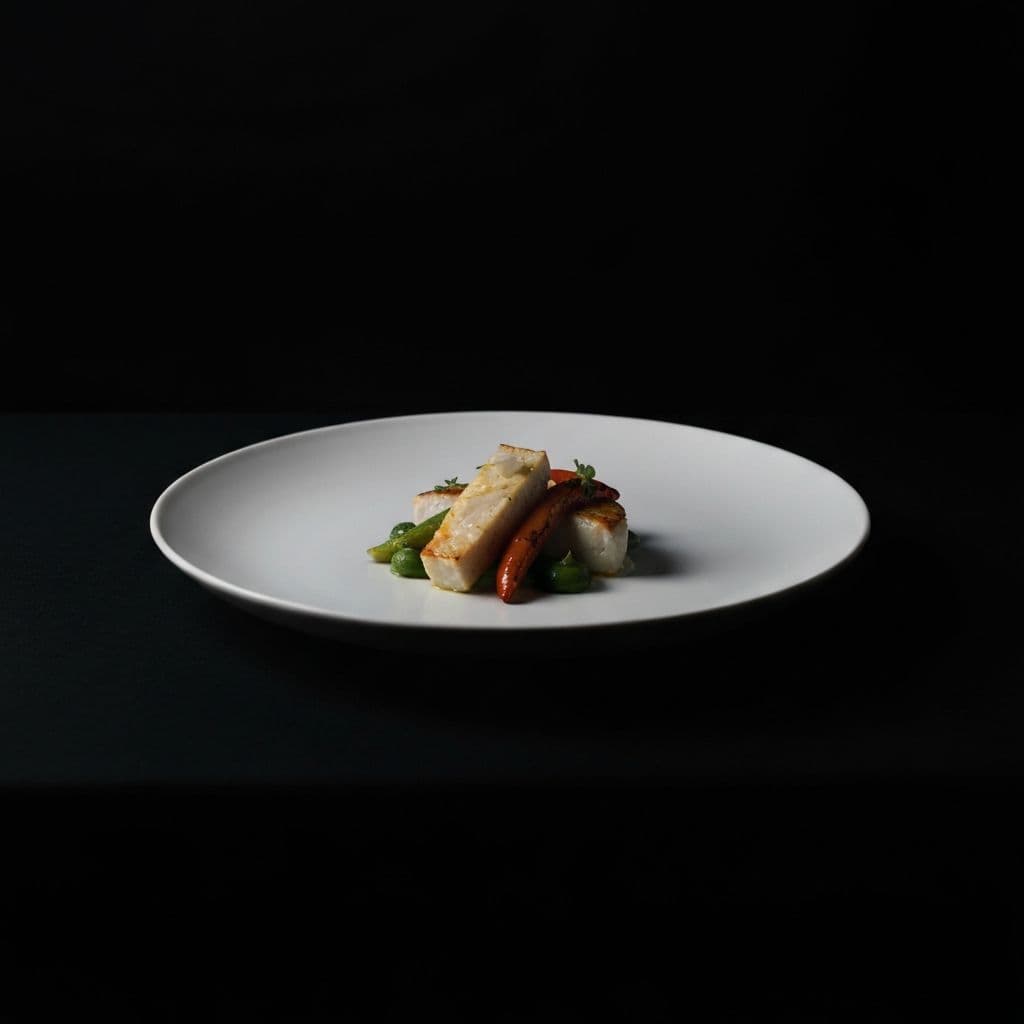
A plate is not a canvas. A canvas is static. A plate is a temporal stage for an experience that destroys itself as it is consumed.
In the Fede kitchen, we approach plating with the mindset of an architect. We consider structural integrity, flow, and most importantly, negative space. The empty space on a plate is not void; it is a pause. It allows the eye to rest and the mind to focus on the essential components. Just as silence defines music, empty space defines the dish.
Form Follows Flavor
Every vertical element must have a purpose. We do not stack ingredients for height; we stack them for texture to control the bite. When you cut through a dish, the collapse should be controlled, mixing sauces and textures in a predetermined sequence. The architecture of the bite dictates the flavor profile.
Our internal study of "Gastronomic Geometry" suggests that the visual weight of food influences satiety and flavor perception. A symmetrical dish tastes "balanced" before the fork is even lifted. An asymmetrical arrangement creates tension and curiosity, driving the diner to explore the plate.
"Minimalism is not the absence of complexity, but the perfect containment of it."
The Monochromatic Study
This season, we are exploring monochromatic plating - using shades of a single color to force the diner to distinguish ingredients solely by texture and taste, removing the bias of visual expectation. A dish of pure white - cauliflower, scallop, parsnip, and white chocolate - challenges the palate to find the sweetness, the earthiness, and the brine without color cues.
It is an exercise in focus, both for the chef and the guest.
The Art of the Truffle Hunt