A Night in Kyoto
There is a silence in the kitchens of Gion that is louder than any shout in a Western brigade. It is the silence of absolute focus.
During our recent residency in Kyoto, we studied the rhythm of Kaiseki - the traditional multi-course dinner that honors the micro-seasons. But what struck us most was not just the food or the seasonality, but the fire. The use of Binchotan charcoal is a masterclass in heat management.
The Invisible Flame
Binchotan burns without smoke and without flame, emitting a pure, intense infrared heat. It does not flavor the food with heavy woodsmoke; it transforms the food's internal structure without external charring. It cooks from the inside out, preserving moisture while creating a glass-like crispness on the skin of fish or poultry.
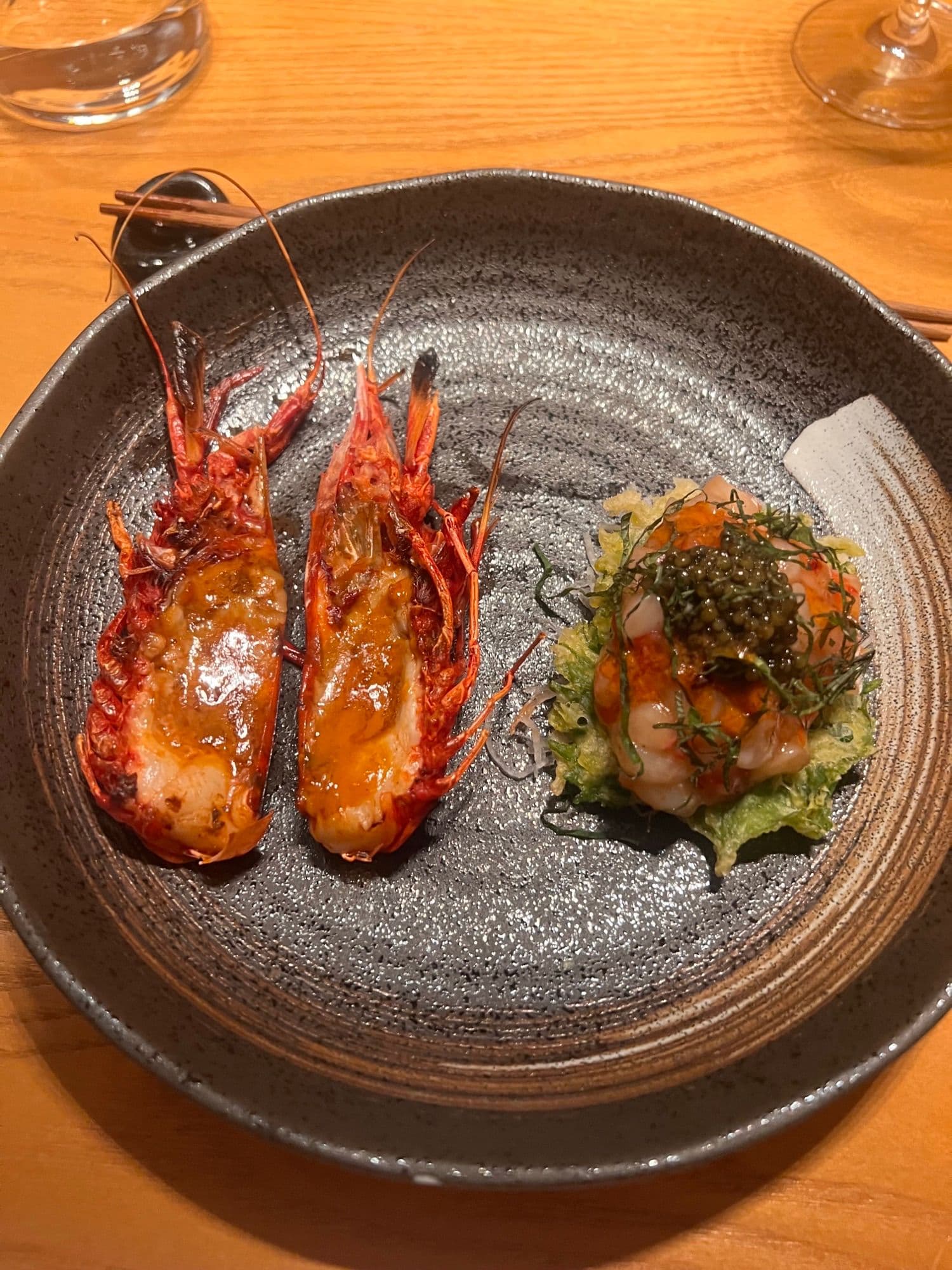
We have brought this philosophy back to our New York primitive kitchen. We are now using high-carbon Japanese oak charcoal to grill delicate proteins like squab and eel. The result is a texture that is impossible to achieve with gas or conventional wood.
"In the shadows of the tea house, we learned that true luxury is not abundance, but precision."
The Midnight Collection
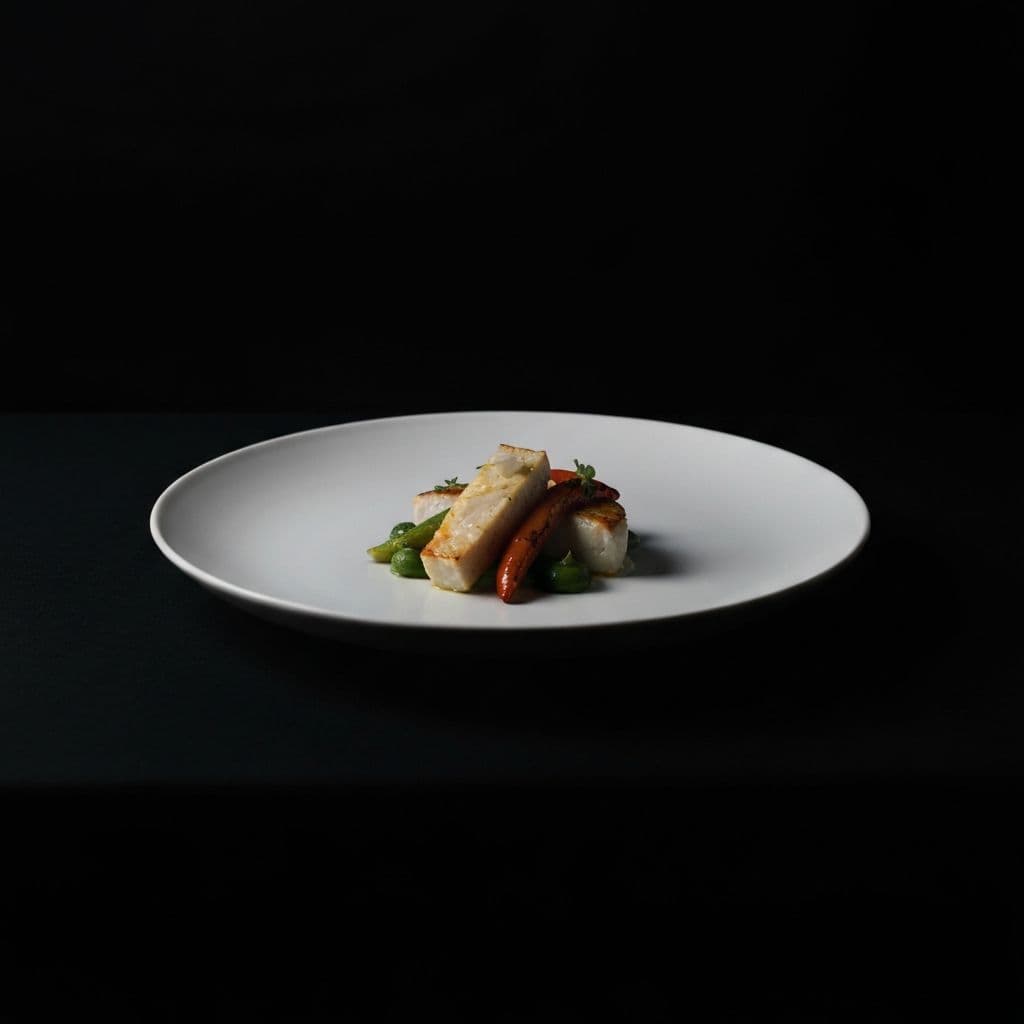
Our "Midnight Collection" menu is directly inspired by this trip - dark, atmospheric, and focused on the purity of elemental cooking. We serve dishes on dark ceramics to absorb light, highlighting the glisten of the ingredients. The pacing is slower, more deliberate, mimicking the contemplative flow of a tea ceremony.
It is a homage to the masters of Kyoto, translated for the energy of New York.
Plating as Architecture